Back to work
Case study · PTC Creo+

Access governance for a growing platform

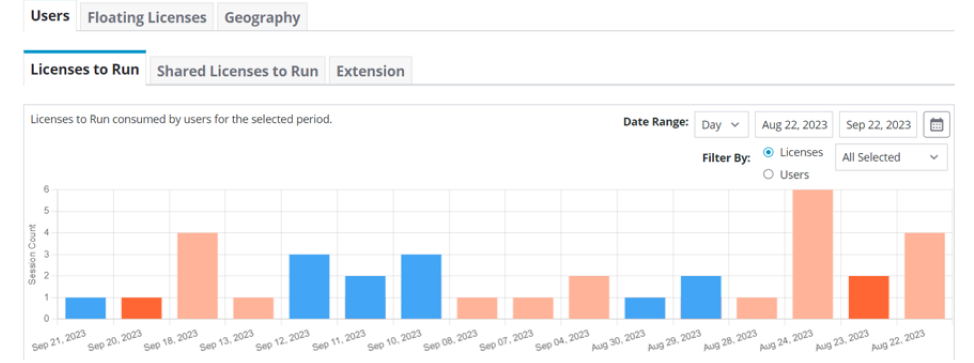
I designed the license management and distribution model for Creo+, so admins could see who holds what across seats, roles, and products, and grant or reassign access without guesswork.
License management — seat and role assignment dashboard
Role
Lead Product Designer. Research, information architecture, interaction, UI.
Timeline
2023–2024. Discovery through design handoff.
Platform
Creo+, PTC's cloud-connected CAD environment.
Outcome
Admins gained one clear model for who holds access to what. The governance model this project established now underpins how Jetstream manages user rights across PTC's portfolio.
One model
Seats, roles, and products live in a single governance view instead of scattered admin screens.
Fewer support tickets
Admins could self-serve reassignment instead of escalating to support for basic license changes.
Platform-wide
The access model scaled beyond Creo+ into how PTC governs rights across its product portfolio.
The problem

Access lived in spreadsheets, not in the product.

As Creo+ grew across seats, roles, and bundled products, admins had no single place to see who held which license, or why. Reassigning a seat when someone left a team meant cross-checking spreadsheets and filing a support ticket, often with a multi-day turnaround.

Different stakeholders needed different views of the same data: an IT admin wanted seat-level control, a finance stakeholder wanted cost and utilization, and support needed to diagnose access issues fast. No existing view served any of them well.

"I know we're paying for seats nobody's using. I just can't tell you which ones."
Research

Three stakeholders, one source of truth

I interviewed IT admins, finance stakeholders, and support engineers to map how each group reasoned about licenses, and where the current tools broke down for them.

3
Distinct stakeholder groups
IT admins, finance, and support, each with a different question about the same data.
Days
To reassign a seat
Every change routed through support, regardless of how simple the request was.
Spreadsheets
The system of record
License truth lived outside the product, manually reconciled and often stale.
The insight that set direction
Every stakeholder needed a different lens on access, but all three needed to trust the same underlying record. The product, not a spreadsheet, had to become that record.
The design

Make governance visible, and self-serve

The design brought seat, role, and product data into one governed view, with role-appropriate actions built directly into it, so admins could act without a support ticket.
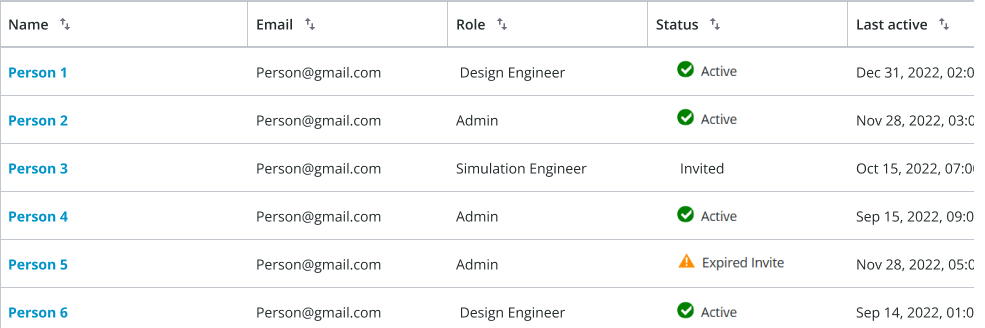
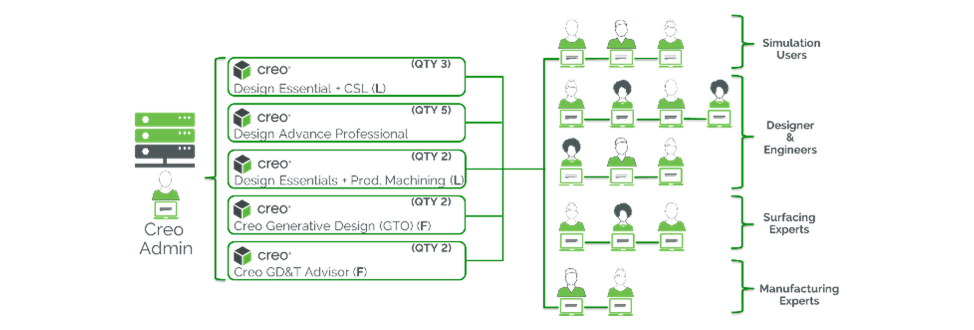
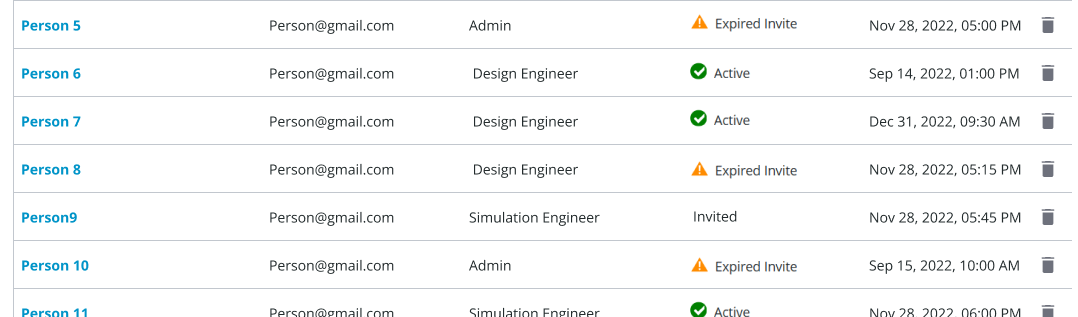
Seat overview — all licenses across teams
01
See every seat at once
One overview replaces the spreadsheet, showing who holds a seat, which product, and whether it is active or idle.
Reassign flow — self-serve seat transfer
02
Reassign without a ticket
Admins move a seat from one person to another directly in-product, with the change taking effect immediately.
Role-based views — admin vs. finance vs. support
03
One record, three lenses
The same underlying data surfaces differently for admins, finance, and support, each seeing only what their role needs.
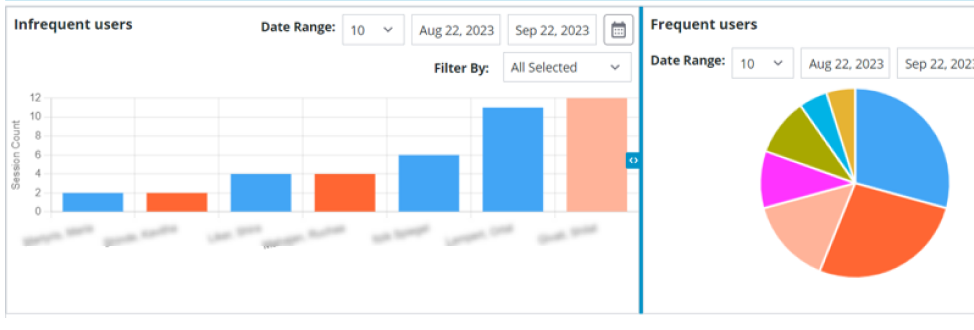
Utilization view — idle seats surfaced
04
Surface what's going unused
Idle and underused seats are flagged proactively, turning a cost question into a visible, addressable signal.
Part of a bigger picture

Governance as a platform principle

This access model shared the same underlying discipline as the history graph and commenting work: give every user, action, and record a clear owner and a clear trail. Here, that meant knowing exactly who could see or touch what, at any moment.

That governance model carried forward directly into how PTC Jetstream manages user rights across its portfolio, not just within a single product.

Impact

What changed

Access became legible
Spreadsheets gave way to one governed view of every seat, role, and product.
Support load dropped
Admins could self-serve routine seat reassignment instead of filing a ticket.
Model scaled to Jetstream
The governance approach now underpins access across PTC's broader portfolio.
Want to see the next one?
The Medint case study covers consolidating three fragmented views into one dashboard.
All work History Graph
Ortal Lampert · Senior Product Designer